From Niche to Mainstream: 5 Subcultures Reshaping American Identity in 2026
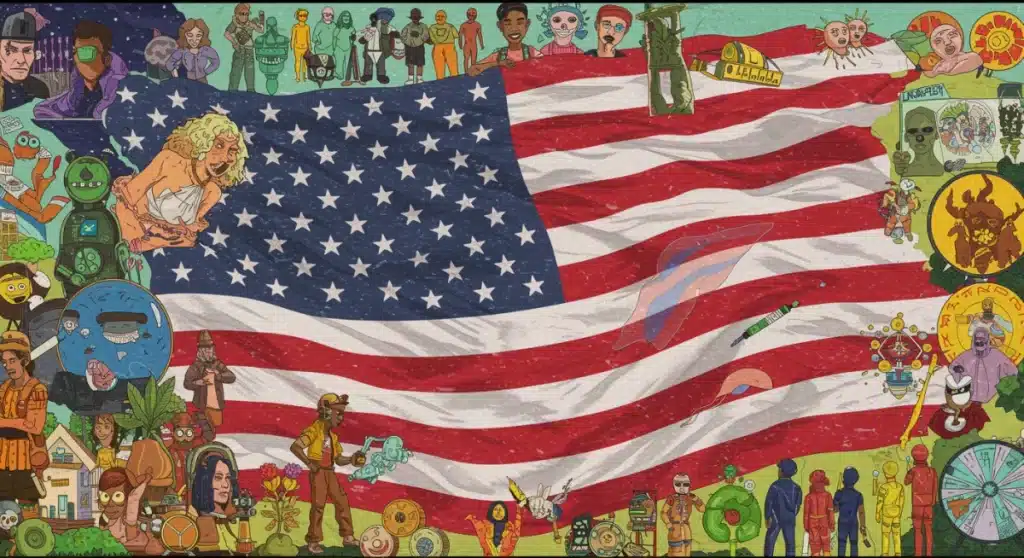
By 2026, five distinct subcultures are significantly impacting American identity, transitioning from niche communities to mainstream cultural forces, influencing everything from fashion to social discourse.
The cultural landscape of the United States is in constant flux, a vibrant tapestry woven from countless threads of shared experience and individual expression. By 2026, we are witnessing a profound shift as several once-niche subcultures ascend to mainstream prominence, fundamentally altering the fabric of what it means to be American. This article delves into how five specific subcultures are driving this transformation, offering new perspectives and challenging established norms.
The rise of eco-minimalism: Sustainable living as a mainstream aspiration
Eco-minimalism, once a fringe movement championed by a select few, has rapidly evolved into a powerful force shaping American consumer habits and lifestyle choices. This subculture merges environmental consciousness with a commitment to simplicity, emphasizing reduced consumption, sustainable practices, and a mindful approach to daily life. Its appeal resonates deeply with a generation increasingly concerned about climate change and the impact of hyper-consumerism.
The core tenets of eco-minimalism are straightforward: buy less, choose well, and make it last. This philosophy extends beyond personal consumption to influence urban planning, product design, and even digital habits. The subculture’s growth is fueled by a desire for authenticity and a rejection of the disposable culture that has long defined segments of American society.
Shifting consumer paradigms
The influence of eco-minimalism is evident in the burgeoning market for sustainable products and services. From zero-waste grocery stores to ethical fashion brands, businesses are adapting to meet the demands of this growing demographic. This shift isn’t just about market trends; it reflects a deeper cultural awakening.
- Conscious consumption: Prioritizing products with minimal environmental impact.
- Circular economy principles: Embracing repair, reuse, and recycling over disposal.
- Mindful living: Reducing clutter and focusing on experiences over material possessions.
Beyond individual choices, eco-minimalism encourages community-level action, such as shared resources, local food movements, and collective advocacy for environmental policies. This communal aspect strengthens its mainstream appeal, demonstrating that sustainable living is not just an individual burden but a collective endeavor.
In conclusion, eco-minimalism is moving beyond a niche lifestyle to become a significant driver of cultural change in America. Its emphasis on sustainability and mindful living offers a compelling alternative to traditional consumerist values, inspiring a broader societal reevaluation of our relationship with the environment and our possessions.
Digital nomads and location independence: Redefining work and community
The digital nomad subculture, once confined to tech-savvy freelancers and remote workers, has exploded in popularity, fundamentally redefining traditional notions of work, home, and community. Driven by advancements in remote technology and a desire for greater flexibility, this lifestyle sees individuals working from anywhere, often traveling the world while maintaining their careers. This shift has massive implications for urban centers, rural economies, and social structures across America.
The allure of location independence is multifaceted, offering freedom from the daily commute, the opportunity for cultural immersion, and a chance to escape high cost-of-living areas. As more companies embrace remote work models, the digital nomad identity is becoming increasingly accessible, attracting a diverse range of professionals from various industries.
The impact on local economies and urban planning
The influx of digital nomads into smaller towns and less traditional urban centers is having a noticeable impact. These communities often benefit from new spending power and a fresh infusion of skills and perspectives. However, it also presents challenges, such as rising housing costs and the need for improved infrastructure.
- Revitalization of rural areas: Bringing new life and economic activity to overlooked regions.
- Demand for co-working spaces: Creating hubs for collaboration and community among nomads.
- Policy adaptations: Local governments exploring incentives to attract and retain digital nomads.
The digital nomad movement is not just about individual freedom; it’s about forming new types of communities. Online forums, co-living spaces, and meetups create networks that transcend geographical boundaries, offering support and connection for those embracing this mobile lifestyle. This redefinition of community, where shared interests and flexibility trump physical proximity, is a powerful indicator of changing social dynamics.
Ultimately, the rise of digital nomads signifies a profound re-evaluation of the traditional work-life balance and the very concept of home. This subculture’s growing influence is pushing American society to adapt to more flexible, globally connected ways of living and working, with lasting effects on economic and social landscapes.
The resurgence of craft and artisan culture: Valuing skill and authenticity
The craft and artisan subculture, celebrating handmade goods, traditional skills, and unique creations, has experienced a remarkable resurgence, moving from specialty markets to mainstream appreciation. In an increasingly digitized and mass-produced world, this movement offers a tangible connection to craftsmanship, authenticity, and human ingenuity. It emphasizes quality over quantity, valuing the story behind an item as much as its utility.
This subculture encompasses a vast array of practices, from pottery and woodworking to textiles, brewing, and artisanal food production. Its appeal lies in a desire to reconnect with the tangible, to support local economies, and to acquire items that possess character and durability. It’s a quiet rebellion against the uniformity of globalized manufacturing.
From hobbyists to economic drivers
What began as a hobby for many has evolved into a significant economic force, with artisan markets, online platforms, and local boutiques thriving. Small businesses rooted in craft are creating jobs and fostering vibrant local communities, demonstrating that there is a strong demand for products made with care and intention.
- Local economic growth: Supporting small-scale producers and entrepreneurs.
- Skill preservation: Revitalizing traditional crafts and passing on valuable knowledge.
- Personalized consumption: Seeking unique, custom-made items over generic alternatives.
The craft movement also fosters a strong sense of community among makers and consumers alike. Workshops, craft fairs, and online groups provide spaces for sharing knowledge, collaborating, and celebrating the creative process. This communal aspect strengthens its mainstream appeal, making it more than just a trend but a foundational shift in consumer values.
The resurgence of craft and artisan culture highlights a growing American appreciation for skill, authenticity, and locally produced goods. This subculture is reshaping consumer expectations and bolstering local economies, proving that the desire for the handmade and the meaningful remains a powerful force in modern society.
Fandom communities as cultural incubators: From niche interests to pop culture powerhouses
Fandom communities, once dismissed as niche groups obsessed with specific media, have transformed into powerful cultural incubators, exerting significant influence over mainstream entertainment, fashion, and social discourse. These highly engaged groups, centered around everything from sci-fi franchises and video games to K-Pop and historical fiction, are no longer passive consumers but active participants and creators, driving narratives and shaping trends.
The internet and social media have been pivotal in this transformation, allowing fans to connect globally, share their passions, and organize collective actions. This interconnectedness has amplified their voices, enabling them to influence production decisions, marketing strategies, and even the broader cultural conversation around representation and storytelling.
The power of collective engagement
Fandoms demonstrate the immense power of collective engagement. Through fan art, fanfiction, cosplay, and online discussions, they create expansive universes that often extend beyond the original source material. This creative output enriches the cultural landscape and introduces new forms of artistic expression.
- Driving media narratives: Influencing character development and plotlines through feedback.
- Shaping pop culture trends: Introducing new aesthetics, slang, and social norms.
- Advocacy and social change: Using collective power to promote diversity and inclusion.
The economic impact of fandoms is also undeniable, fueling merchandise sales, convention attendance, and digital content creation. Major entertainment companies now actively court these communities, recognizing their ability to generate sustained interest and loyalty. This symbiotic relationship between creators and fans is a defining characteristic of modern pop culture.
In essence, fandom communities have moved far beyond their niche origins to become central to American pop culture. Their active participation, creative output, and collective influence are reshaping how entertainment is consumed and created, proving that passionate, engaged audiences are a driving force in cultural evolution.
The rise of ethical tech and privacy advocates: Reclaiming digital autonomy
The subculture of ethical tech and privacy advocates has emerged as a critical voice in an increasingly data-driven world, moving from specialized forums to mainstream consciousness. This movement is driven by a profound concern for digital rights, data security, and the societal implications of unchecked technological advancement. It advocates for transparency, user control, and the development of technology that respects human values rather than exploiting them.
Once considered a fringe concern for tech enthusiasts, privacy advocacy has gained widespread traction as public awareness grows about data breaches, algorithmic biases, and the pervasive nature of surveillance capitalism. This subculture challenges both corporations and governments to adopt more responsible practices, pushing for a future where technology empowers individuals rather than controls them.
Demanding digital accountability
Ethical tech advocates are not just criticizing; they are actively proposing solutions and building alternatives. This includes advocating for open-source software, encrypted communication tools, and legislative frameworks that protect user data. Their efforts are forcing a crucial conversation about the ethical responsibilities of tech giants and policymakers.
- Promoting data literacy: Educating the public on privacy risks and digital rights.
- Advocating for policy changes: Pushing for stronger data protection laws and regulations.
- Developing privacy-preserving tools: Creating alternatives to mainstream, data-hungry platforms.
The influence of this subculture is evident in the growing demand for privacy-focused products and services, as well as in the increased scrutiny faced by companies with questionable data practices. Consumers are becoming more discerning, actively seeking out brands and platforms that align with their values regarding digital autonomy.
The ethical tech and privacy advocate subculture is proving to be a powerful force in reshaping America’s relationship with technology. By demanding greater accountability and promoting user-centric design, it is guiding society towards a future where digital innovation is balanced with robust protection of individual rights and freedoms.
The impact of these subcultures on American identity
The five subcultures discussed—eco-minimalism, digital nomads, craft and artisan culture, fandom communities, and ethical tech advocates—are not merely trends; they are fundamental drivers of change, collectively reshaping American identity in profound ways. Their transition from niche interests to mainstream influences reflects a deeper societal evolution, characterized by a re-evaluation of values, priorities, and modes of interaction.
These movements are challenging the traditional American emphasis on individualism and material accumulation, promoting instead values of community, sustainability, authenticity, and digital autonomy. They are fostering a more diverse and nuanced understanding of success, fulfillment, and belonging, moving beyond conventional metrics.
A mosaic of evolving values
The integration of these subcultures into the mainstream is creating a richer, more complex American identity. It’s an identity that embraces global connectivity while valuing local craftsmanship, that champions individual freedom while advocating for collective responsibility.
- Redefining success: Shifting focus from wealth accumulation to well-being and purpose.
- Promoting diversity: Celebrating varied lifestyles, beliefs, and forms of expression.
- Fostering civic engagement: Encouraging active participation in shaping societal norms and policies.
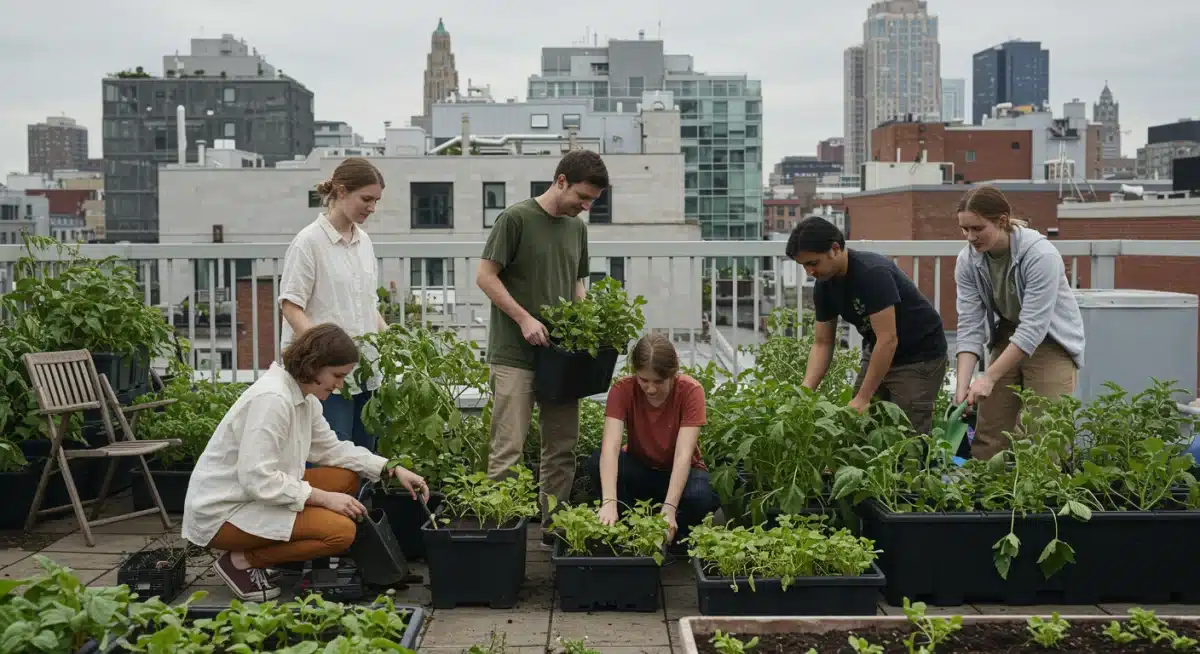
Furthermore, these subcultures are accelerating the breakdown of rigid social categories, encouraging fluidity and intersectionality. An individual might be an eco-minimalist who is also a digital nomad and an active member of a fandom, demonstrating how these identities can overlap and reinforce one another, creating new hybrid cultural expressions.
In summary, the pervasive influence of these five subcultures is leading to a more dynamic and conscious American identity. They are not just altering surface-level trends but are instigating deep-seated shifts in values, behaviors, and collective aspirations, paving the way for a more diverse and adaptable society in 2026 and beyond.
| Subculture | Mainstream Impact |
|---|---|
| Eco-Minimalism | Drives conscious consumption and sustainable living practices. |
| Digital Nomads | Redefines work, travel, and community structures. |
| Craft & Artisan | Promotes authenticity, local economies, and skilled craftsmanship. |
| Ethical Tech Advocates | Demands digital accountability and user data privacy. |
Frequently asked questions about subcultures and American identity
A subculture transitions to mainstream when its core values, aesthetics, or practices are widely adopted by the general population, influencing consumer trends, media, and social norms beyond its original niche community. This often involves commercialization and broader societal acceptance, making elements of the subculture recognizable to a wider audience.
Subcultures can influence American politics by raising awareness about specific issues, mobilizing voters, and advocating for policy changes. For instance, eco-minimalists push for environmental regulations, while ethical tech advocates lobby for data privacy laws. Their collective voice can shape public discourse and pressure politicians to address their concerns, leading to tangible legislative impacts.
While some aspects may be temporary trends, the underlying values driving these subcultures, such as sustainability, authenticity, and digital autonomy, appear to be long-term shifts in societal priorities. As these values become more deeply embedded in collective consciousness, their influence on American identity is likely to be enduring, even if specific manifestations evolve over time.
Technology, particularly the internet and social media, plays a crucial role in subculture growth by enabling global connectivity. It allows individuals with shared niche interests to find each other, form communities, share ideas, and organize actions, accelerating their reach and influence. This digital infrastructure helps subcultures overcome geographical barriers and amplify their messages to a wider audience.
Young people are often at the forefront of subcultural transformations, acting as early adopters and primary drivers of these movements. Their openness to new ideas, tech savviness, and desire to challenge existing norms make them powerful agents of change. They embrace and propagate these subcultures, helping them gain momentum and ultimately transition into mainstream acceptance and influence.
Conclusion
The journey of these five subcultures from niche corners to mainstream prominence illustrates a dynamic and evolving American identity. From the sustainability-driven choices of eco-minimalists to the digital autonomy sought by privacy advocates, these movements are collectively redefining core societal values. They highlight a growing desire for authenticity, community, and conscious living, moving beyond traditional consumerism and individualism. The cultural landscape of 2026 is undeniably richer and more complex, shaped by these influential forces that continue to challenge, innovate, and inspire new ways of being American.