The Future is Cool: How Sustainable Data Centers Are Slashing Energy Consumption by 18% by 2026
In an era defined by digital transformation, data centers have become the indispensable backbone of our interconnected world. From powering cloud services and artificial intelligence to facilitating daily online interactions, their role is paramount. However, this immense power comes with a significant environmental footprint, primarily due to their voracious appetite for energy, a substantial portion of which is dedicated to cooling. The good news? A quiet revolution is underway in the United States, positioning sustainable data centers at the forefront of environmental responsibility. Projections indicate that U.S. data centers are on track to achieve an impressive 18% reduction in energy consumption by 2026, largely thanks to groundbreaking cooling innovations.
This article delves deep into the critical role of cooling in data center operations, explores the innovative technologies driving this energy reduction, and outlines the broader implications for sustainability, economic efficiency, and the future of digital infrastructure. We will examine how a combination of technological advancements, strategic planning, and a commitment to green practices is redefining what it means to be a modern data center.
The Energy Conundrum: Why Data Center Cooling Matters So Much
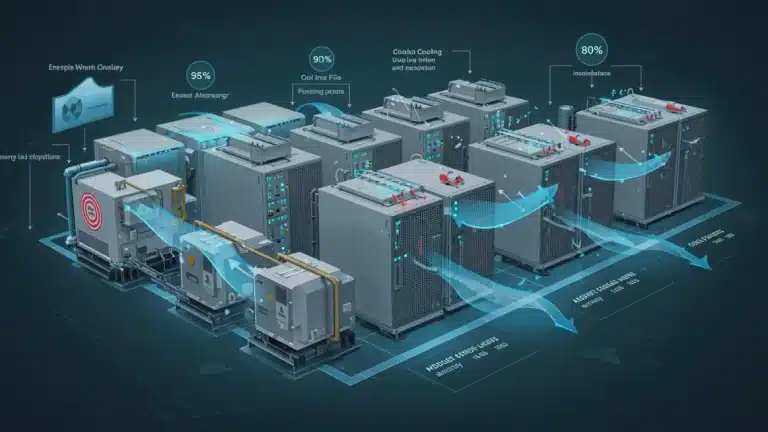
Data centers are essentially large warehouses filled with thousands of powerful servers, storage devices, and networking equipment. These machines generate a tremendous amount of heat as they process and store data. Without effective cooling, this heat can lead to system failures, reduced performance, and shortened equipment lifespan. Traditionally, cooling has been one of the most energy-intensive aspects of data center operations, often accounting for 30-50% of a facility’s total energy use.
The Power Usage Effectiveness (PUE) metric, a widely adopted standard for measuring data center efficiency, starkly illustrates this challenge. A PUE of 1.0 means all energy goes to IT equipment, while a PUE of 2.0 means an equal amount of energy is used for non-IT overhead, primarily cooling. While the global average PUE has steadily improved over the years, there’s still significant room for optimization, particularly in older facilities. The drive towards sustainable data centers is fundamentally a quest to lower PUE closer to 1.0.
The environmental impact of this energy consumption is multi-faceted. It contributes to greenhouse gas emissions, depletes natural resources, and strains electrical grids. As the demand for data continues its exponential growth, the urgency to make data centers more sustainable becomes increasingly critical. This is where cooling innovations step in as a game-changer.
Pioneering Cooling Innovations: The Path to 18% Energy Reduction
Achieving an 18% reduction in energy consumption by 2026 is an ambitious yet attainable goal for U.S. sustainable data centers. This progress is not the result of a single breakthrough but rather a confluence of several sophisticated cooling technologies and strategies:
1. Liquid Immersion Cooling
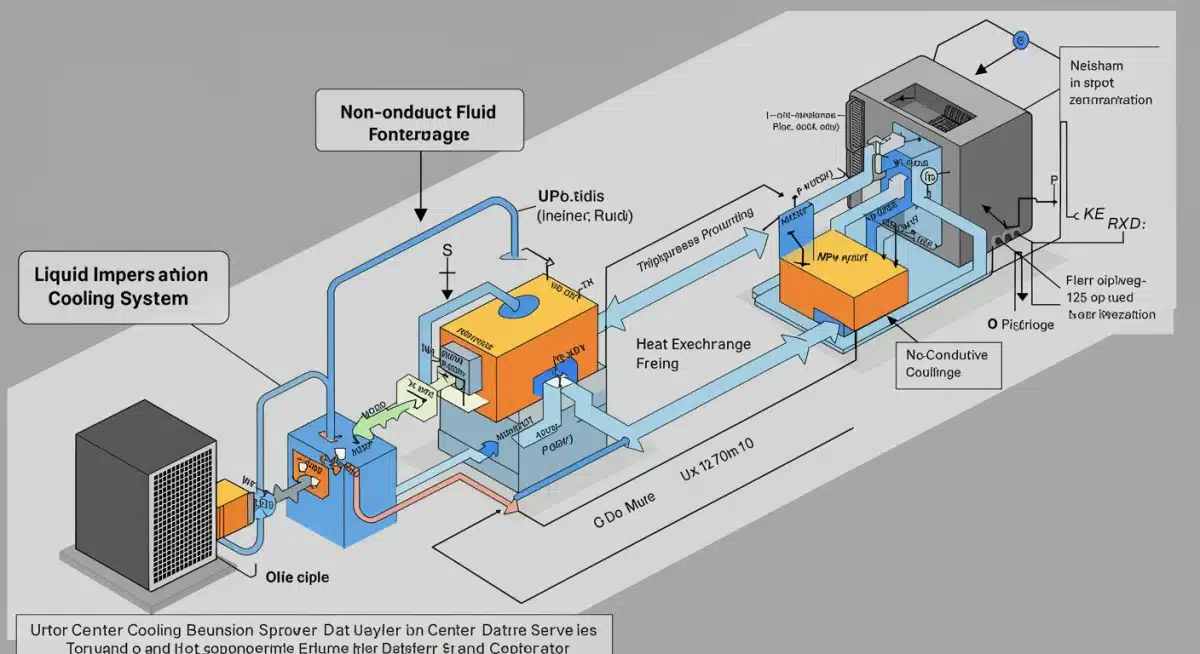
Perhaps the most revolutionary of the new cooling techniques is liquid immersion cooling. Instead of air, servers are submerged directly into a non-conductive dielectric fluid. This fluid is far more efficient at transferring heat than air, allowing for much higher heat dissipation and significantly denser server racks. The benefits are profound:
- Superior Heat Transfer: Liquids are thousands of times more effective than air at absorbing and transferring heat.
- Reduced Energy Consumption: Eliminates the need for traditional CRAC (Computer Room Air Conditioning) units, chillers, and fans, dramatically cutting cooling energy.
- Increased Server Density: Allows for more powerful servers in a smaller footprint, optimizing real estate.
- Extended Equipment Lifespan: Stable temperature and absence of dust and humidity reduce wear and tear on components.
While still a niche technology, its adoption is growing rapidly, especially for high-performance computing (HPC) and AI workloads where heat generation is extreme.
2. Direct-to-Chip Liquid Cooling
A less radical but equally effective liquid cooling method is direct-to-chip cooling. Here, a cold plate is mounted directly onto hot components like CPUs and GPUs, with a liquid coolant circulating through it. This targeted approach efficiently removes heat at its source before it can dissipate into the server rack. It offers a stepping stone for many data centers not yet ready for full immersion, providing significant energy savings and improved performance for specific, high-heat components.
3. Advanced Evaporative and Adiabatic Cooling
Traditional evaporative cooling uses the natural process of water evaporation to cool air, which is then circulated through the data center. Adiabatic cooling takes this a step further by pre-cooling the air before it enters the evaporative cooling process, requiring even less energy. These systems are particularly effective in drier climates and can significantly reduce reliance on mechanical refrigeration, making them a cornerstone for many sustainable data centers.
4. Free Cooling and Economization
Free cooling leverages ambient outdoor air or water to cool the data center when external temperatures are sufficiently low. Air-side economizers bring in filtered outside air, while water-side economizers use cool outdoor water to chill the facility’s internal cooling loops. This strategy is highly effective in regions with colder climates, allowing data centers to turn off or significantly reduce the operation of energy-intensive chillers for a substantial portion of the year.
5. Hot/Cold Aisle Containment
While not a new technology, the widespread and optimized implementation of hot/cold aisle containment remains crucial. By physically separating hot exhaust air from cold intake air, these systems prevent mixing and ensure that cooling efforts are precisely directed. This simple yet effective strategy drastically improves the efficiency of traditional air-cooling systems, reducing wasted energy and improving overall PUE.
6. AI and Machine Learning for Optimization
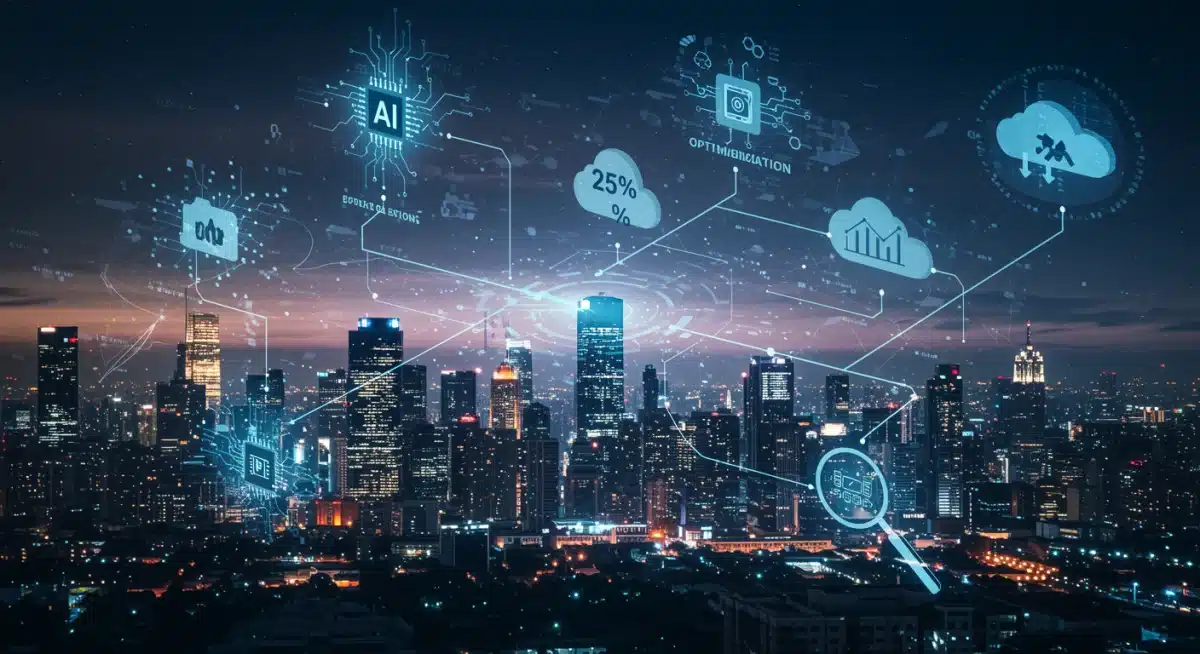
The advent of artificial intelligence and machine learning is revolutionizing how cooling systems are managed. AI algorithms can analyze vast amounts of data from sensors (temperature, humidity, airflow, server load) to predict cooling needs, optimize fan speeds, adjust chiller operations, and even identify potential hotspots before they become critical. This proactive, intelligent management ensures that cooling resources are used precisely when and where they are needed, minimizing energy waste and maximizing efficiency. This smart approach is vital for achieving the ambitious energy reduction targets of sustainable data centers.
Beyond Cooling: The Broader Landscape of Sustainable Data Centers
While cooling innovations are pivotal, the journey towards sustainable data centers encompasses a broader spectrum of initiatives:
Renewable Energy Integration
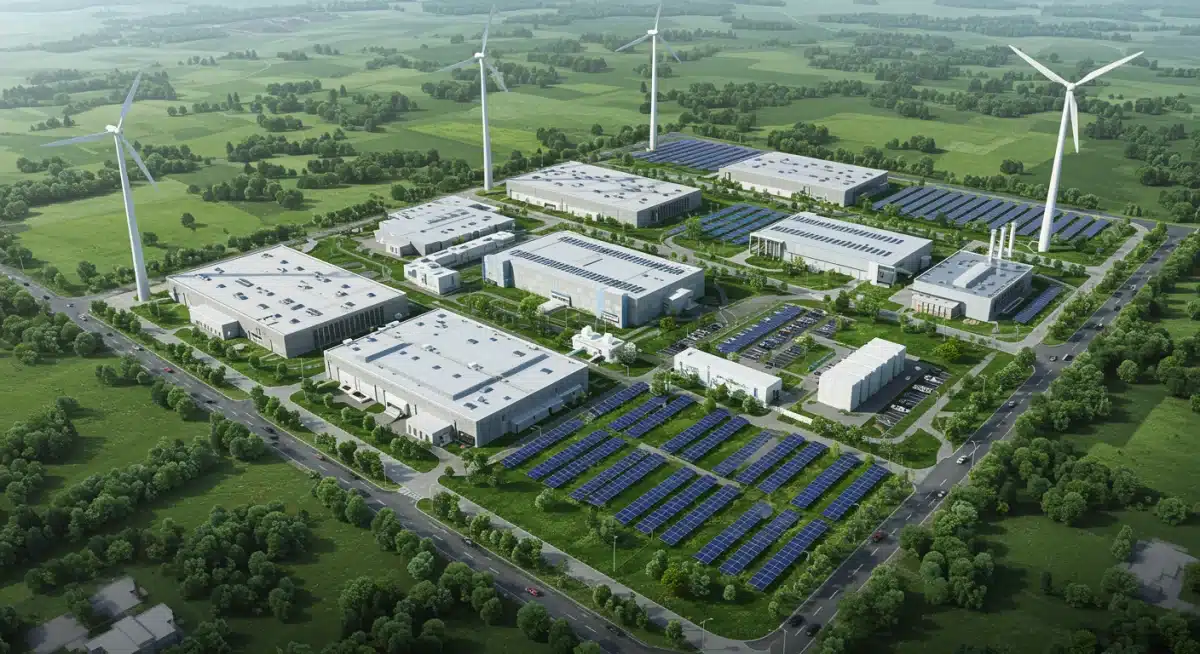
Powering data centers with renewable energy sources like solar, wind, and hydro is fundamental to true sustainability. Many major tech companies are investing heavily in renewable energy projects or purchasing renewable energy credits (RECs) to offset their consumption. The goal is to achieve 24/7 carbon-free energy, ensuring that every watt consumed is green.
Energy-Efficient Hardware
The continuous development of more energy-efficient servers, storage, and networking equipment plays a crucial role. Chip manufacturers are constantly innovating to deliver more processing power per watt, reducing the heat generated at the source and, consequently, the cooling load.
Waste Heat Recovery
Instead of simply expelling heat into the atmosphere, some advanced data centers are implementing waste heat recovery systems. This heat can be used for district heating, heating office spaces, or even for agricultural purposes like greenhouses, transforming a waste product into a valuable resource.
Water Conservation
While some cooling methods, like evaporative cooling, use water, sustainable data centers are also focusing on water conservation. This includes using recycled water, implementing closed-loop cooling systems, and exploring alternative cooling technologies that minimize water usage.
Location Optimization
Strategic site selection can significantly impact sustainability. Locating data centers in cooler climates allows for greater utilization of free cooling. Proximity to renewable energy sources and robust grid infrastructure also plays a role in reducing transmission losses and environmental impact.
Economic and Environmental Imperatives
The push for sustainable data centers is driven by both environmental responsibility and sound economic principles. The initial investment in advanced cooling technologies and renewable energy infrastructure can be substantial, but the long-term operational savings are compelling:
- Reduced Operating Costs: Lower energy consumption directly translates to reduced electricity bills, which are a major operational expense for data centers.
- Enhanced Brand Reputation: Companies demonstrating a strong commitment to sustainability often enjoy improved public perception, attracting environmentally conscious customers and talent.
- Regulatory Compliance: As environmental regulations tighten globally, proactive investment in sustainable practices helps data centers stay ahead of compliance requirements and avoid potential penalties.
- Increased Resilience: Diversifying energy sources and optimizing cooling systems can enhance the resilience of data center operations, reducing the risk of downtime due to power outages or overheating.
- Competitive Advantage: Energy-efficient and sustainable operations can provide a competitive edge in a market increasingly focused on corporate social responsibility.
From an environmental perspective, the benefits are clear: reduced carbon emissions, lower demand on natural resources, and a smaller overall ecological footprint. The projected 18% energy reduction by 2026 in U.S. data centers represents a significant step towards mitigating the digital economy’s impact on climate change.
Challenges and the Road Ahead
Despite the promising outlook, the journey to fully sustainable data centers is not without its challenges:
- Retrofitting Older Facilities: Many existing data centers were not built with sustainability in mind, making it costly and complex to retrofit them with the latest cooling and energy-efficient technologies.
- Capital Investment: Implementing advanced cooling systems and renewable energy infrastructure requires substantial upfront capital.
- Scalability: Ensuring that sustainable solutions can scale effectively with the ever-increasing demand for data processing and storage is a continuous challenge.
- Skills Gap: There is a growing need for skilled professionals who can design, implement, and maintain these complex, energy-efficient systems.
- Water Usage: While some liquid cooling methods reduce energy, they can sometimes increase water consumption, necessitating careful consideration of water-stressed regions.
Addressing these challenges requires collaborative efforts from technology providers, data center operators, policymakers, and industry consortiums. Standards bodies continue to evolve best practices, and government incentives are often crucial in encouraging adoption of green technologies.
Case Studies and Industry Leaders
Numerous industry leaders are already demonstrating the viability and benefits of sustainable data centers. Companies like Google, Microsoft, and Amazon Web Services (AWS) have made significant commitments to carbon neutrality and are investing heavily in renewable energy and advanced cooling techniques. Their massive scale allows for pioneering research and development, often setting benchmarks for the rest of the industry.
For instance, Google’s data centers have achieved an average PUE of 1.10, significantly lower than the industry average, through a combination of AI-driven cooling optimization, free cooling, and strategic location choices. Microsoft is experimenting with underwater data centers, leveraging the ocean’s natural cooling capabilities, and exploring hydrogen fuel cells for backup power. These examples highlight the diverse approaches and the innovative spirit driving the sustainable data center movement.
The Role of Government and Policy
Government policies and incentives play a crucial role in accelerating the transition to sustainable data centers. Tax credits for energy-efficient equipment, grants for renewable energy projects, and regulations promoting PUE standards can significantly influence investment decisions. Furthermore, public-private partnerships can foster research and development into next-generation sustainable technologies.
The U.S. government, through initiatives from the Department of Energy and the Environmental Protection Agency, is actively promoting energy efficiency in data centers, providing resources, and recognizing leaders in the field. These efforts create a supportive ecosystem for innovation and adoption of green practices.
Conclusion: A Cooler, Greener Digital Future
The projection of an 18% energy consumption reduction by 2026 for U.S. data centers is a testament to the power of innovation and a growing commitment to sustainability. The advancements in cooling technologies—from liquid immersion and direct-to-chip cooling to advanced evaporative systems and AI-driven optimization—are not just theoretical concepts; they are practical, scalable solutions being deployed today.
These efforts, combined with a broader focus on renewable energy integration, energy-efficient hardware, and waste heat recovery, are transforming data centers from energy hogs into models of sustainable infrastructure. The benefits extend beyond environmental protection, offering significant economic advantages through reduced operational costs and enhanced resilience.
As our digital world continues to expand, the demand for data processing will only intensify. The proactive steps being taken today to build and operate sustainable data centers are crucial for ensuring that this growth is environmentally responsible and economically viable. The future of the digital economy is not just powerful; it’s also poised to be much, much cooler.