
In an increasingly complex world, the role of youth mentorship programs has never been more critical. For young individuals across the United States, these programs offer not just guidance and support, but also a vital pathway to personal growth, academic success, and future opportunities. As we look towards 2026, the landscape of youth mentorship is evolving, driven by technological advancements, changing societal needs, and a deeper understanding of what truly fosters meaningful connections and impactful outcomes. This comprehensive guide will delve into the latest trends, provide insider tips for maximizing engagement, and outline strategies to ensure these programs achieve their full potential.
The essence of mentorship lies in the transfer of knowledge, experience, and wisdom from an experienced individual to a less experienced one. However, modern youth mentorship programs go far beyond this basic definition. They are designed to create safe spaces where young people can explore their identities, develop critical life skills, build self-confidence, and navigate challenges with the support of a trusted adult. The benefits are multifold, impacting not only the mentees but also the mentors and the wider community.
The Evolving Landscape of U.S. Youth Mentorship Programs
The past few years have seen significant shifts in how youth mentorship programs operate and what they prioritize. Traditional models, while still valuable, are being augmented by innovative approaches that leverage technology, emphasize cultural responsiveness, and focus on specific developmental stages. Understanding these shifts is crucial for anyone involved in designing, implementing, or participating in these programs.
Technological Integration: Bridging Gaps and Expanding Reach
One of the most profound changes has been the increased integration of technology. Virtual mentorship platforms, once a niche offering, have become mainstream, especially in the wake of global events. These platforms allow for greater flexibility, enabling mentors and mentees to connect regardless of geographical barriers. This expanded reach means that young people in rural areas or those with limited access to traditional programs can now benefit from mentorship. Furthermore, technology facilitates communication through secure messaging, video calls, and shared online resources, making it easier to maintain consistent engagement.
However, technological integration isn’t without its challenges. Ensuring equitable access to devices and internet connectivity, providing digital literacy training, and maintaining the human element of mentorship in a virtual setting are all critical considerations. Successful programs are those that use technology as a tool to enhance, rather than replace, genuine human connection.
Focus on Social-Emotional Learning (SEL)
There’s a growing recognition that academic achievement alone is not sufficient for success in life. Youth mentorship programs are increasingly incorporating Social-Emotional Learning (SEL) frameworks into their curricula. This means focusing on skills such as self-awareness, self-management, social awareness, relationship skills, and responsible decision-making. Mentors are trained to help young people develop emotional intelligence, resilience, and empathy, equipping them with the tools to navigate personal and social challenges effectively.
Culturally Responsive Mentorship
Diversity, equity, and inclusion are at the forefront of modern mentorship. Effective youth mentorship programs are actively working to ensure that mentors reflect the diverse backgrounds of their mentees. Culturally responsive mentorship acknowledges and values the unique experiences, perspectives, and cultural identities of young people. This approach helps build trust, fosters a deeper understanding, and ensures that the guidance provided is relevant and respectful of the mentee’s lived reality. Training for mentors now often includes modules on cultural competence and implicit bias.
Specialized Program Models
While general mentorship remains important, there’s a trend towards more specialized youth mentorship programs. These might focus on specific areas like STEM, entrepreneurship, college readiness, career exploration, or even mental health support. By tailoring programs to specific interests or needs, organizations can provide more targeted and impactful guidance. This specialization also helps attract mentors with particular expertise, enriching the experience for mentees.
Insider Tips for Maximizing Engagement in Youth Mentorship Programs
Engagement is the cornerstone of any successful mentorship relationship. Without it, even the best-designed program will falter. Here are insider tips for maximizing engagement in youth mentorship programs, ensuring that both mentors and mentees remain invested and enthusiastic.
1. Thoughtful Matching: The Foundation of Connection
The initial match between a mentor and mentee is perhaps the most critical step. It’s not just about demographics; it’s about aligning personalities, interests, and expectations. Programs that invest time in a thorough matching process, perhaps using surveys, interviews, and even personality assessments, tend to have higher engagement rates. Consider:
- Shared Interests: Do they have common hobbies, academic pursuits, or career aspirations?
- Communication Styles: Do their preferred communication methods (e.g., text, video call, in-person) align?
- Personality Traits: Are they a good complementary fit? An introverted mentee might benefit from an outgoing mentor, or vice versa.
- Mentee Needs: What specific areas does the mentee seek support in, and does the mentor possess relevant experience or skills?
2. Clear Expectations and Goal Setting
From the outset, it’s vital to establish clear expectations for both mentors and mentees. This includes defining the purpose of the mentorship, the frequency and duration of meetings, and communication protocols. Collaborative goal setting is also key. When mentees actively participate in setting their own goals, they develop a sense of ownership and are more likely to stay engaged. These goals should be SMART: Specific, Measurable, Achievable, Relevant, and Time-bound.
3. Ongoing Training and Support for Mentors
Mentors are volunteers, but their role is professional. Providing ongoing training and support is paramount. This includes:
- Initial Orientation: Covering program guidelines, child protection policies, and effective communication strategies.
- Skill-Building Workshops: On topics like active listening, motivational interviewing, conflict resolution, and cultural competence.
- Peer Support Networks: Allowing mentors to connect with and learn from each other.
- Program Staff Support: Regular check-ins and readily available resources for mentors to address challenges or seek advice.
4. Empowering Mentees: Voice and Choice
True engagement comes from empowerment. Mentees should feel they have a voice in the mentorship relationship and choices in their learning journey. Encourage mentees to:
- Lead Discussions: Allow them to set agendas for meetings, within reason.
- Propose Activities: Suggest outings, projects, or learning experiences they are interested in.
- Provide Feedback: Create safe channels for mentees to share their experiences and suggest improvements to the program or their individual mentorship.
5. Incorporating Fun and Experiential Learning
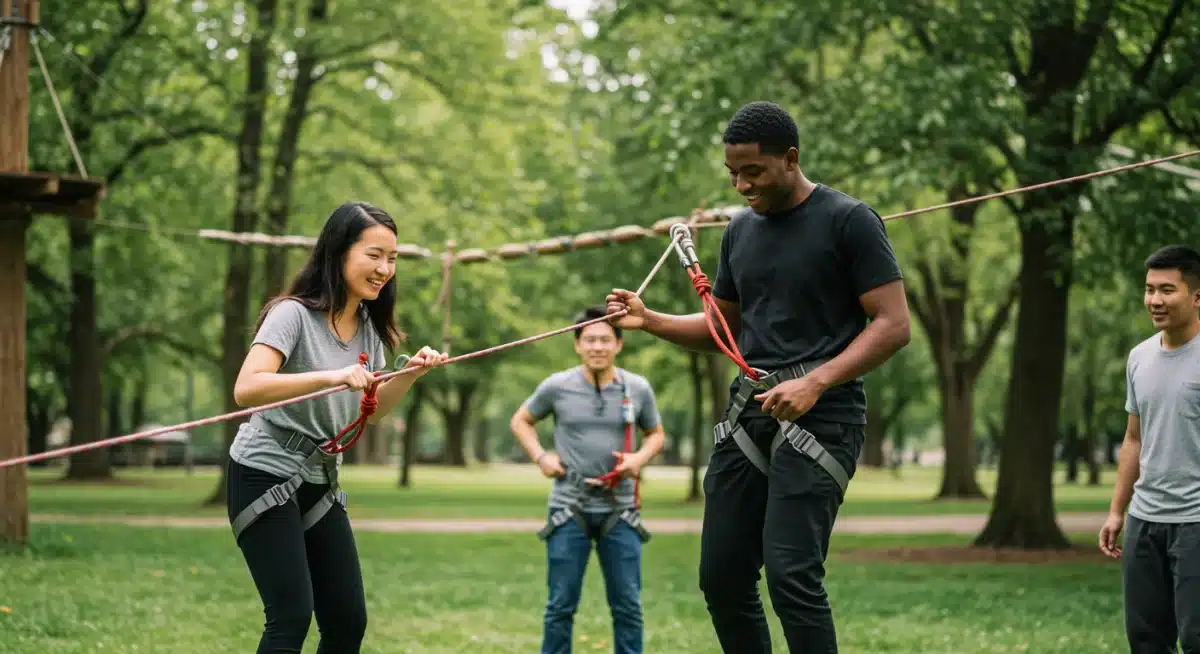
Mentorship doesn’t always have to be formal. Incorporating fun activities, outings, and experiential learning can significantly boost engagement. This could include museum visits, sporting events, community service projects, or even just casual coffee shop chats. These shared experiences build rapport, create lasting memories, and allow for natural, organic learning outside of a structured setting. Experiential learning is particularly effective for young people, as it allows them to apply concepts in real-world scenarios.
6. Regular Communication and Check-ins
Consistency is key. Regular communication, whether it’s weekly check-ins, monthly meetings, or occasional texts, reinforces the mentee’s sense of value and the mentor’s commitment. Program staff should also conduct regular check-ins with both mentors and mentees to monitor the health of the relationship, address any issues, and celebrate successes. This proactive approach can prevent minor issues from escalating and ensure the relationship stays on track.
7. Celebrating Milestones and Achievements
Acknowledging progress, no matter how small, is a powerful motivator. Celebrate mentees’ academic achievements, personal growth, successful completion of projects, or even just consistent effort. Public recognition, small rewards, or even a simple congratulatory message can significantly boost a mentee’s confidence and reinforce the value of the mentorship relationship. Similarly, recognizing and appreciating mentors’ dedication is crucial for their continued engagement.
Strategies for Achieving Positive Outcomes by 2026
Beyond engagement, the ultimate goal of youth mentorship programs is to achieve measurable, positive outcomes for young people. As we look towards 2026, programs need to be strategic in their approach to ensure they are making a tangible difference. Here are key strategies:
1. Data-Driven Program Evaluation
To demonstrate impact and continually improve, programs must implement robust data collection and evaluation systems. This means:
- Defining Clear Outcomes: What specific changes do you expect to see in mentees (e.g., improved grades, increased self-esteem, better decision-making skills)?
- Establishing Baseline Data: How do mentees perform in these areas before entering the program?
- Regularly Collecting Data: Through surveys, interviews, academic records, and mentor feedback.
- Analyzing and Reporting: Using data to identify strengths, weaknesses, and areas for improvement, and sharing these insights with stakeholders.
By 2026, programs that can clearly articulate and demonstrate their impact through data will be better positioned for funding and community support.

2. Holistic Development Approach
Focusing on a holistic approach ensures that programs address the multifaceted needs of young people. This includes not only academic and career development but also social, emotional, physical, and civic development. A mentee might need help with college applications, but also with managing stress or developing healthy relationships. Programs that adopt a holistic view are more likely to produce well-rounded individuals who are better equipped for life’s challenges.
3. Building a Strong Network of Support
Mentorship is not a standalone solution. It thrives within a broader ecosystem of support. Youth mentorship programs should actively work to connect mentees with other resources, such as academic tutoring, mental health services, career counseling, and community organizations. Mentors can act as navigators, helping young people access the support they need. Building partnerships with schools, businesses, and local government agencies can strengthen this network.
4. Long-Term Mentorship and Alumni Engagement
While some mentorship relationships are short-term and project-based, many of the most profound impacts come from long-term connections. Programs should encourage and facilitate sustained relationships where appropriate. Furthermore, creating alumni networks for former mentees provides ongoing support, networking opportunities, and a chance for them to give back as future mentors. This creates a powerful cycle of mentorship that extends beyond the initial program duration.
5. Adapting to Future Workforce Needs
The job market of 2026 and beyond will demand a different set of skills than today. Youth mentorship programs must be forward-thinking, helping mentees develop skills such as critical thinking, problem-solving, creativity, digital literacy, and adaptability. Mentors can expose young people to emerging industries, guide them in developing relevant skills, and help them understand the importance of lifelong learning. This proactive approach ensures that mentees are not just prepared for today’s world, but for the future.
6. Advocating for Policy and Funding
For youth mentorship programs to thrive and expand, there needs to be sustained policy support and adequate funding. Program leaders and advocates should actively engage with policymakers at local, state, and national levels to highlight the importance of mentorship and secure resources. Demonstrating clear outcomes through data (as mentioned above) is crucial for making a compelling case for investment. By 2026, increased public and private funding will be essential to meet the growing demand for quality mentorship.
Challenges and Considerations for the Future
While the future of youth mentorship programs is bright, there are challenges that need to be addressed to ensure continued success:
Recruiting and Retaining Diverse Mentors
A persistent challenge is finding enough dedicated, diverse mentors to meet the demand. Programs need innovative strategies for recruitment, emphasizing the rewarding nature of mentorship and reducing barriers to participation. Retention is also key, requiring ongoing support, recognition, and opportunities for mentor development.
Ensuring Program Quality and Fidelity
As programs expand, maintaining quality and ensuring fidelity to evidence-based practices becomes crucial. This involves standardized training, regular supervision, and continuous quality improvement processes to ensure that all mentees receive a high-quality experience.
Addressing Digital Divide and Equity
While technology offers great potential, it also risks exacerbating existing inequalities if not managed carefully. Programs must actively work to bridge the digital divide, providing access to devices, internet, and digital literacy training for all mentees, especially those from underserved communities.
Measuring Long-Term Impact
Measuring immediate outcomes is challenging enough, but truly understanding the long-term impact of mentorship requires longitudinal studies and sustained tracking of former mentees. This is an area where more research and investment are needed to fully demonstrate the profound, lasting effects of quality mentorship.
Conclusion: A Brighter Future Through Mentorship
The landscape of U.S. youth mentorship programs is dynamic and promising. By embracing technological advancements, prioritizing social-emotional learning, fostering cultural responsiveness, and adopting data-driven evaluation, these programs are poised to make an even greater impact by 2026. Maximizing engagement requires thoughtful matching, clear expectations, ongoing support, and empowering mentees with voice and choice. Achieving positive outcomes hinges on a holistic approach, strong support networks, long-term commitment, and a keen eye on future workforce needs.
Ultimately, investing in youth mentorship programs is an investment in the future of our society. It’s about nurturing the potential of every young person, equipping them with the skills and confidence to thrive, and creating a generation of engaged, resilient, and compassionate leaders. As we navigate the years ahead, the collective effort of mentors, mentees, program staff, and communities will undoubtedly shape a brighter and more equitable future for all.